
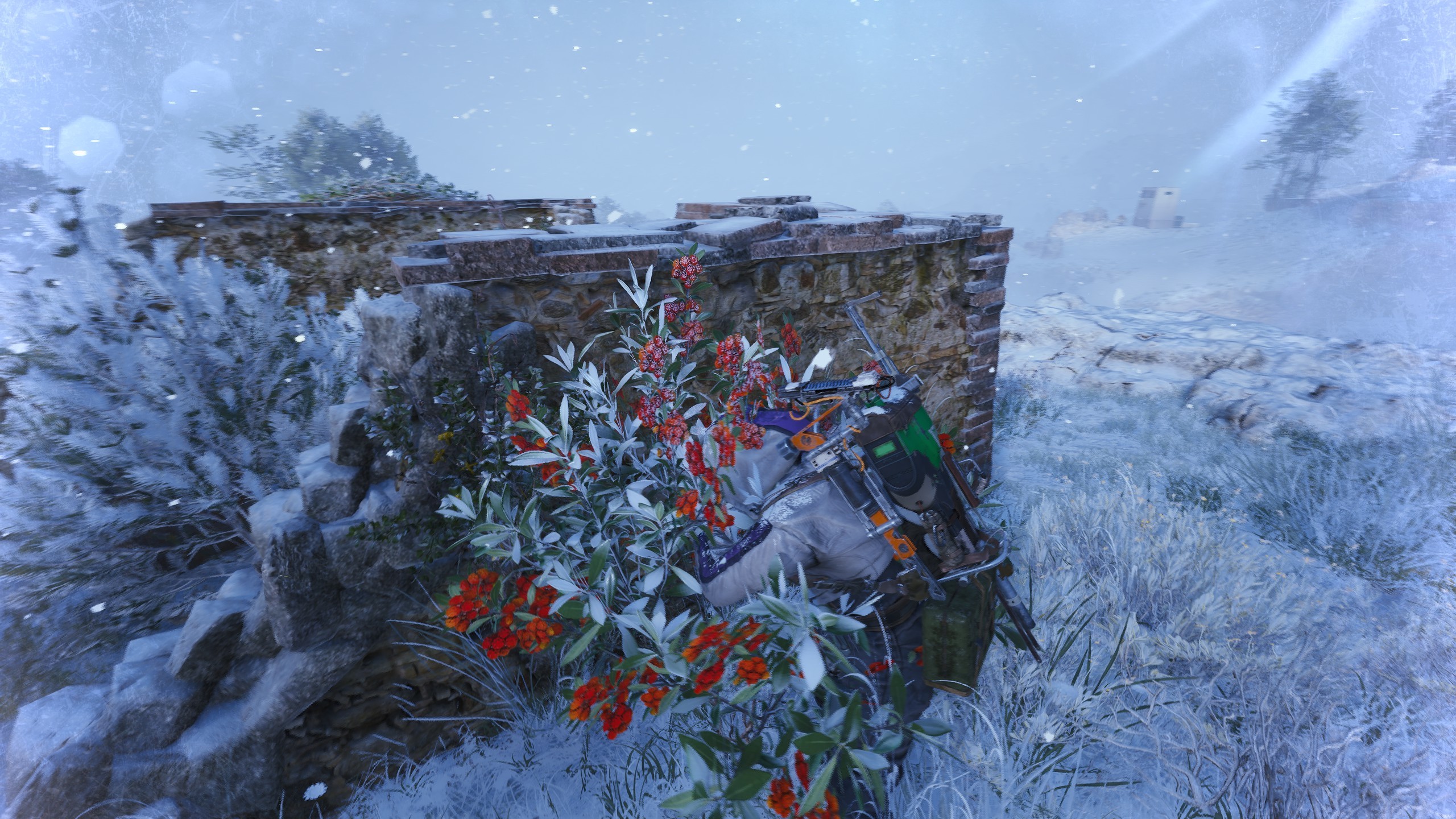
The conflict on X-Isle features an evolving threat landscape where successful ARC aggression leads to lasting, physical modifications of the environment. **Geopolitical Consequence Mapping (GCM)** is the doctrine dedicated to analyzing these permanent world changes—the destruction of key bridges, the sealing of resource tunnels, or the establishment of new, hardened static defenses—to understand their strategic implications for future Raider operations. These changes are not mere aesthetics; they are deliberate acts of logistical denial by ARC, requiring a complete reassessment of established patrol routes (ABA) and traversal strategies (VHS).
This analysis details how major ARC victories reshape the battlefield, compelling the Resistance to continuously adapt its logistical and kinetic strategies.
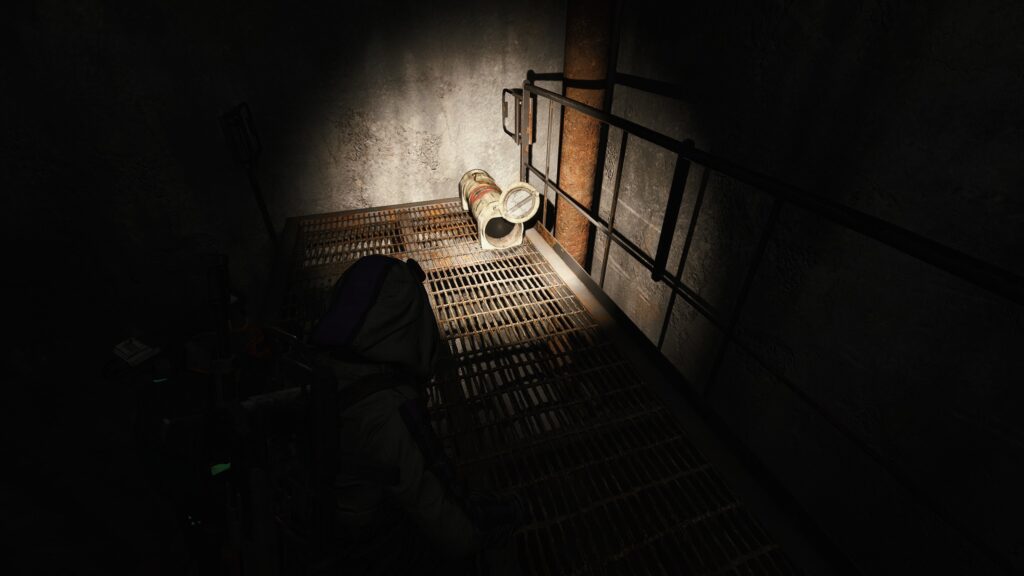
GCM Principle 1: Logistical Denial and Route Compromise
ARC’s primary objective in making permanent world changes is logistical denial (LPO). The destruction of a central thoroughfare (bridge, highway overpass) forces Raiders to utilize longer, more exposed routes, increasing traversal time and risk of unplanned encounters. GCM requires Raiders to immediately update their operational maps, identifying newly created bottlenecks and ensuring that these choke points are not utilized for reinforcement denial by ARC.
- **Impact:** Increased exposure time leads to higher Ammunition Conservation costs and increased risk of incapacitation (DMT).
GCM Principle 2: Permanent Fortification and Anchor Zones
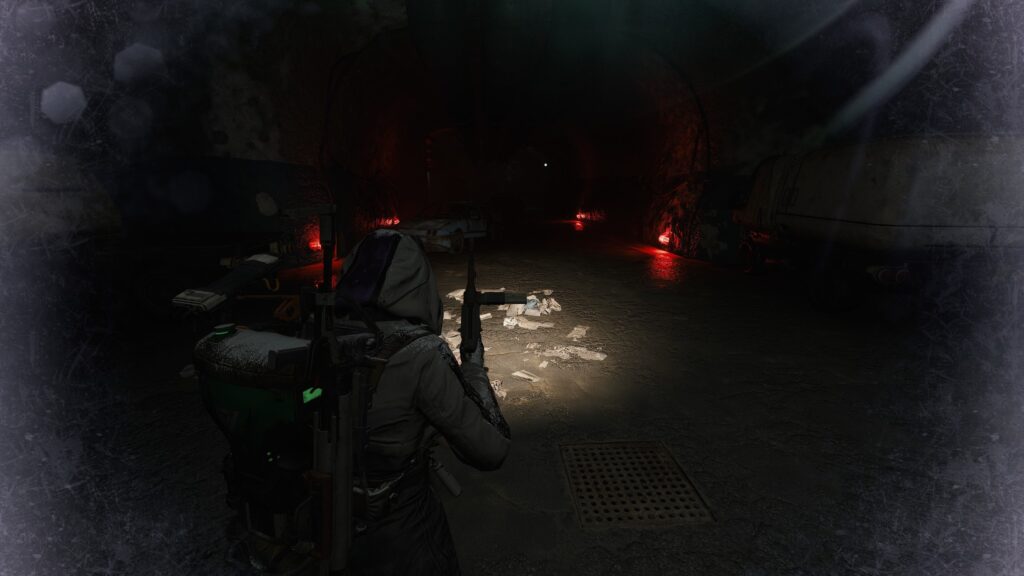
A major ARC victory often results in the permanent establishment of hardened defenses—concrete bunkers, high-caliber turrets, or localized anti-air emplacements. These new structures become **Permanent Anchor Zones**, requiring the Resistance to develop specialized FBP (Fortification Breaching Protocol) tailored specifically to the new defensive geometry. This reinforces the need for dedicated anti-material weaponry and specialized disruption gadgets (NIS, Shock Traps).
GCM and Environmental Weaponization (EW)
While ARC attacks destroy Raider routes, they can also create new opportunities for Environmental Weaponization (EW). The rubble from a destroyed building, for instance, might create new, high-density cover (IFT) or seal off a previously inaccessible area containing unique salvage (HDSZ). GCM mandates that Raiders analyze the debris field immediately to identify newly created tactical advantages.
| ARC Attack Consequence | Raider Strategic Response (GCM) | Tactical Impact |
|---|---|---|
| **Collapse of Key Bridge** | Diversify traversal to utilize the Grappling Hook (VHS) over the new gap. | Increases energy cell consumption; creates a new vertical threat profile. |
| **Establishment of Anti-Air Turrets** | DM must prioritize destruction of the static defenses (TCA) before advancing. | Forces expenditure of specialized anti-material rounds. |
GCM and Tactical Flexibility (AAD Counter)
Permanent world changes are often a direct response to a successful Raider Meta (AAD). For example, if Raiders consistently exploit a specific infiltration route, ARC may destroy the supporting structure to eliminate that vector. GCM compels the Resistance to maintain maximum tactical flexibility, ensuring that reliance on any single route or strategy is temporary.
Conclusion: The War of the Landscape
Geopolitical Consequence Mapping confirms that the landscape of X-Isle is a measurable, strategic factor. By systematically analyzing the permanent changes inflicted by ARC, Raiders can anticipate future threats, mitigate logistical denial, and ensure that every major enemy action is met with an adaptive, calculated human counter-strategy.

- Unreal Engine 5 ‘Out of Video Memory’ Crashes: Proven Workarounds and Fixes for Arc Raiders PC Players – June 18, 2026
- Crafting Priorities in Arc Raiders: What to Build First for Real Power – April 1, 2026
- The Strategic Implications of Permanent World Changes Caused by Major ARC Attacks – February 26, 2026
Leave a Reply